 Sikh Journey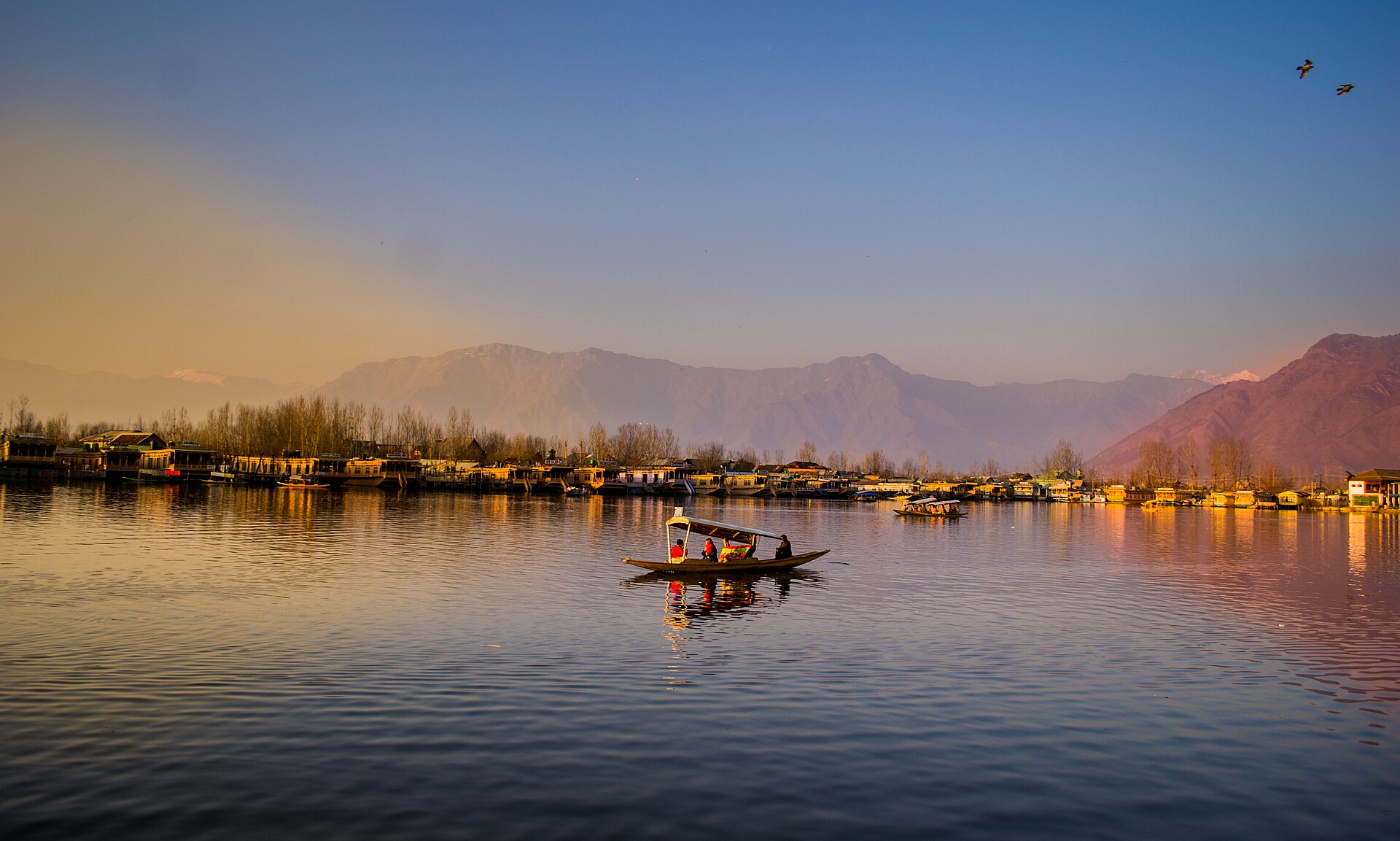
Trip guide · 7 min read
Kashmir Beyond the Itinerary: History, Food & Trivia
A closer look at the stories behind Kashmir's gurudwaras and gardens, what Kashmiri food actually involves, and a few things worth knowing before you go.
History worth knowing
Chatti Padshahi Gurudwara takes its name from "Chatti Patshahi" — the sixth master — referring to Guru Hargobind Sahib, who passed through Srinagar's Rainawari area in the early 17th century. The story behind it is a gentle one: a Kashmiri Pandit woman named Mata Bhagbhari had long wished to meet the Guru, and is said to have worn her eyesight out weaving him a white pashmina cloak as a gift. According to tradition, the Guru was moved by the gesture, stayed at her home, and had a well dug nearby whose water restored her health. That well is still part of the site today, just outside the old Kathi Darwaja gate of Hari Parbat Fort.
Gurdwara Sri Guru Nanak Charan Asthan in Beerwah has a rougher, more recent history. The original structure marking Guru Nanak Dev's visit was destroyed in Kashmir's severe 1948 floods, and the double-storey building visitors see today was only rebuilt in 1975. It's a good reminder that not every historic Sikh site in Kashmir has survived in its original form — what you're visiting is often a careful act of rebuilding as much as an ancient monument.
Nishat Bagh, the Mughal garden on the itinerary, was built in 1633 by Asaf Khan, brother of Empress Nur Jahan and father of Mumtaz Mahal. Its name means "Garden of Joy," and it's laid out across twelve terraces, one for each sign of the zodiac. There's a well-known (if slightly petty) story attached to it: Emperor Shah Jahan admired the garden so much on repeated visits that he expected Asaf Khan to gift it to him outright. When Asaf Khan stayed silent instead, an annoyed Shah Jahan reportedly had the garden's water supply cut off.
Shankaracharya Temple, up on the hill some visitors optionally climb to, is a much older story again. Locally known as Takht-e-Suleiman ("Throne of Solomon"), the hill and its shrine are linked in tradition to the 8th-century philosopher Adi Shankaracharya, though some local accounts trace a structure on the hill back many centuries earlier. It's a useful stop for understanding Srinagar's layered religious history — Hindu, Muslim, and Sikh sites often sit within a few kilometres of each other here.
What to see
Beyond the itinerary's core stops, Dal Lake itself rewards slow looking rather than a single ride — the floating vegetable gardens, the houseboats built in British colonial-era style, and the Zabarwan hills reflected in still water at sunrise are easy to miss if you treat the shikara ride as a box to tick.
In Nishat Bagh, the upper terraces (originally reserved for the women of the Mughal court, in the zenana garden) tend to be quieter than the lower ones near the entrance — worth the short extra walk if the crowds lower down feel like a lot.
If the weather's clear, Gulmarg's meadows (the name literally means "meadow of flowers") are worth a slow look even without doing anything more active — the flowers that give the place its name are best from spring through mid-summer.
What to do
Everything on this itinerary is built around doing rather than trekking — a shikara ride, a walk through terraced gardens, a cable car that does the climbing for you. The Gulmarg Gondola is genuinely one of the highest cable cars in the world, built in two stages between 1998 and 2005 with a French aerial-tramway company, and it carries you up the shoulder of Apharwat Peak while you stay seated.
In Pahalgam, the Lidder River — which gives the Lidder valley its name — is fed by glacial water from the Kolhoi Glacier and the area around Sheshnag Lake on the Amarnath route. You don't need to walk far to enjoy it: riverside spots near the town give you the same cool air and mountain backdrop as the longer treks the region is also known for, without the climb.
Pahalgam's own name comes from Kashmiri words for "shepherd" and "village," and shepherding is still a visible part of life in the surrounding meadows in summer — worth a look if you're passing through grazing areas on the drive.
What to eat
Kashmiri food is built around a few distinct traditions worth knowing before you go. Wazwan is the big one — a traditional multi-course meal, historically served at weddings and large gatherings, that can run anywhere from seven to over thirty courses, most of them meat dishes cooked slowly under a head chef known as a wouste waze. You're unlikely to sit through a full Wazwan on a short trip, but many restaurants serve smaller plates drawn from the same repertoire.
Kahwa is the everyday counterpart — a green tea brewed with cinnamon, cardamom, and saffron, usually served in small cups, and closer to a daily ritual than a tourist novelty. Kashmiri pulao, a mildly sweet, saffron-scented rice dish often studded with dried fruit and nuts, is another dish worth seeking out, especially around festive occasions. Across all of it, saffron shows up again and again — Kashmir is one of the few places in India where it's actually grown.
Trivia & local lore
Srinagar sits at a moderate altitude of around 1,600 metres — high enough to notice, low enough that almost everyone adjusts within a day, unlike Gulmarg's upper station, which climbs considerably higher.
The story goes that Guru Hargobind Sahib's visit to Rainawari wasn't a planned stop on some grand tour — it happened because one devotee, Mata Bhagbhari, simply refused to stop hoping to meet him. It's a small, human-scale story in a region better known for its dramatic history.
Nishat Bagh's twelve terraces, one per zodiac sign, are a reminder that Mughal garden design wasn't just decorative — it followed a deliberate cosmological plan, something easy to miss while simply walking through admiring the fountains.
Kashmir produces the only saffron grown in India, concentrated in the Pampore area near Srinagar — so the saffron in your kahwa or pulao has very likely travelled a short distance to reach your cup or plate.